Choosing between a silicone hose manufacturer and a distributor can affect product customization, technical communication, delivery schedules, and overall sourcing costs. Both can supply silicone hoses, but they play different roles in the supply chain.
For OEM buyers, understanding these differences helps when sourcing custom hose assemblies, comparing quotations, or planning long-term supply. This guide explains how each channel operates and when each may be a better fit for your sourcing needs.
Key Takeaways
-
Manufacturers produce silicone hoses and control their own manufacturing processes.
-
Distributors source products from manufacturers and focus on sourcing, inventory, sales, and delivery.
-
Custom specifications and complex hose constructions often benefit from direct factory communication.
-
Distributors can offer faster access to standard products when stock is available.
-
Neither channel automatically guarantees better quality or lower total sourcing costs.
What Is a Silicone Hose Manufacturer?
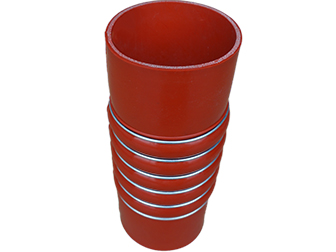
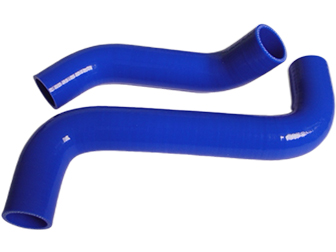
A silicone hose manufacturer produces hoses from silicone rubber compounds using processes such as extrusion, mandrel wrapping, molding, and curing, depending on the hose design. Its capabilities may also include reinforcement, component integration, and finished-product inspection.
Different applications require different hose constructions. Automotive cooling systems, for example, may use polyester-reinforced silicone hoses, while hoses operating under vacuum may require steel wire reinforcement to help prevent collapse.
Specialized designs may incorporate additional materials or components, such as FKM inner linings or aluminum and stainless steel inserts. The suitability of these designs depends on the application and operating conditions.
Manufacturers can develop custom hoses based on customer drawings or physical samples. This direct connection to production is particularly useful for OEM projects involving non-standard dimensions, complex shapes, or specific reinforcement requirements.
What Is a Silicone Hose Distributor?
A silicone hose distributor purchases hoses from manufacturers and resells them to customers. Its responsibilities typically include product sourcing, inventory management, order processing, and delivery coordination.
Many distributors work with multiple manufacturers, allowing buyers to source different hose types, sizes, and brands through one purchasing channel.
A key advantage is access to stocked products. When standard specifications are available in inventory, distributors can supply small quantities or urgent replacement orders without waiting for a new production run.
Some distributors also coordinate custom orders through manufacturing partners. In these cases, production feasibility, material selection, and manufacturing adjustments depend on the capabilities of the factory producing the hoses.
Silicone Hose Manufacturer vs Distributor: Key Differences
The main differences concern production responsibility, customization, technical communication, quality management, and product availability.
|
Comparison
|
Manufacturer
|
Distributor
|
Production
|
Manufactures hoses directly
|
Sources and resells hoses
|
Product range
|
Based on manufacturing capabilities
|
Based on supplier and brand networks
|
Customization
|
Develops and manufactures hoses to customer drawings or samples
|
Coordinates custom orders with manufacturing partners
|
Technical communication
|
Provides direct access to manufacturing expertise and production information
|
Provides technical support and coordinates with manufacturers as needed
|
Quality management
|
Controls its own manufacturing processes and inspections
|
May conduct incoming inspections and manage supplier quality
|
Inventory
|
Varies by product range and production strategy
|
May maintain ready-to-ship inventory
|
Delivery
|
Depends on stock, production schedules, and order requirements
|
Depends on stock availability and supplier replenishment
|
Customization and Technical Requirements
Direct factory sourcing can be particularly useful when a project involves non-standard hose constructions.
For example, a silicone hose incorporating an aluminum or stainless steel insert requires careful coordination of hose geometry, insert dimensions, and the assembly method. Wire-reinforced hoses also require reinforcement designs suited to the specified operating conditions.
Direct communication with the production facility allows buyers to discuss manufacturing feasibility, clarify specifications, and review sample results before approving production.
A distributor can also coordinate these activities. The effectiveness of that process depends on its technical expertise, communication procedures, and relationship with the manufacturer.
Quality Control and Traceability
Manufacturers are responsible for controlling their production processes, including material preparation, reinforcement, curing, and dimensional inspection. Buyers can request relevant production records and test documentation directly from the factory.
Distributors may perform incoming inspections, maintain product documentation, and manage supplier quality. However, they do not necessarily control the original manufacturing process.
Neither channel guarantees better quality by itself. Buyers should evaluate the actual inspection procedures, traceability arrangements, and supporting quality records.
Inventory and Delivery
A distributor with available stock can be a practical choice for standard hose sizes, small orders, and urgent replacements.
Direct factory sourcing may be more suitable for customized configurations and recurring OEM requirements. However, lead times depend on order quantities, material availability, manufacturing complexity, and production schedules.
Buyers should consider the full set of sourcing requirements rather than price or lead time alone.
Which Sourcing Channel Fits Your Needs?
When Direct Manufacturer Sourcing Makes More Sense
Working directly with a manufacturer is often suitable for:
-
OEM projects requiring custom dimensions or hose configurations.
-
Complex molded hoses and metal-insert assemblies.
-
Specific reinforcement requirements involving polyester, aramid, or steel wire.
-
Specialized material or lining requirements.
-
Recurring production orders requiring consistent specifications and controlled changes.
When a Distributor May Be the Better Option
A distributor may be more practical when buyers need:
-
Standard hose sizes and configurations.
-
Small quantities for maintenance or replacement.
-
Urgent replenishment from available inventory.
-
Regional delivery and local stock support.
-
Products from multiple brands through one purchasing channel.
The decision ultimately depends on customization requirements, order volume, stock availability, technical support, and supply arrangements.
What Should Buyers Verify Before Placing an Order?
Regardless of the sourcing channel, four areas deserve attention before an order is confirmed.
Dimensional and Structural Specifications
Confirm the inside diameter, outside diameter, wall thickness, length, hardness, reinforcement structure, and connection dimensions, as applicable. Specify dimensional tolerances and any critical fit requirements.
Clear drawings and agreed specifications help reduce misunderstandings during sample development and production.
Material Compatibility
Check whether the silicone compound and any inner lining are suitable for the operating temperature, pressure or vacuum conditions, and the fluids or gases involved. For extremely high-temperature applications, specialized silicone compounds rated for temperatures above 300°C, or even up to 500°C, may be considered.
Standard silicone should not automatically be considered compatible with petroleum fuels or oils. Where a specialized lining is proposed, confirm its suitability for the actual operating conditions.
Quality and Compliance Documents
Request relevant test reports, material information, and compliance documentation.
Distinguish quality management system certifications, such as ISO 9001 and IATF 16949, from documentation demonstrating compliance with applicable product standards and regulatory requirements.
Documentation should relate to the product, material, and intended application being evaluated.
Commercial and Delivery Terms
Confirm minimum order quantities, sample approval procedures, production lead times, shipping arrangements, and responsibility for handling quality issues.
For custom orders, also clarify how specification changes will be reviewed and approved before production.
For buyers comparing custom silicone hose manufacturers in China, these checks help establish clear technical and commercial expectations before placing an international order.
About SUNRISE
SUNRISE has manufactured silicone hoses and related products since 2006 and holds IATF 16949 and ISO 9001 certifications. We manufacture custom reinforced and molded silicone hoses, including specialized designs based on customer drawings or samples.
For more information, explore our product range.
Frequently Asked Questions
Can a silicone hose manufacturer also sell directly to end users?
Yes. Manufacturers may supply OEM customers, industrial buyers, distributors, and end users directly. Their sales channels and minimum order requirements depend on their business models.
Can a silicone hose distributor provide custom-made hoses?
Yes. A distributor can coordinate custom orders through manufacturing partners. Buyers should confirm who handles specification review, sample approval, production follow-up, and quality issues.
Is buying silicone hoses directly from a manufacturer always cheaper?
No. Total sourcing costs also depend on order quantity, shipping, customization, inventory, and delivery requirements. A distributor may offer better overall value for small orders or urgent purchases when suitable products are already in stock.